 Takes 2 minutes
Is it really “just getting older”?
Your dog can’t tell you when their joints need help, but their everyday habits can. Here are 7 common signs of joint strain. Count how many you recognise.
For information only. This check is not a veterinary diagnosis.
First, how old is your dog?
Joint changes can begin sooner than many owners think, especially in larger breeds.
Did you know? Up to 80% of dogs over 8 show signs of joint wear.
Joint changes become far more common as dogs get older. From around 1 in 5 adult dogs to as many as 4 in 5 dogs over eight.* Orthopup chews combine undenatured collagen, glucosamine, green lipped mussel and more to support flexibility and mobility through these years.

*Source: Johnston, S.A. (1997) 'Osteoarthritis', Veterinary Clinics of North America: Small Animal Practice, 27 (4), pp. 699-723. Doi: 10.1016/s0195-5616(97)50076-3.
How much does your dog weigh?
We use this to work out their daily amount and chew size.
Is your dog slower to get up after a nap or first thing in the morning?
Do they pause or hesitate before taking the stairs?
Have they stopped jumping onto the sofa, the bed or into the car?
It’s not just in your head.
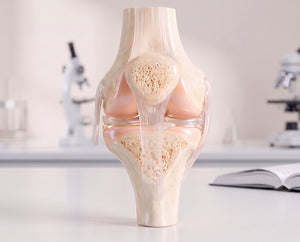
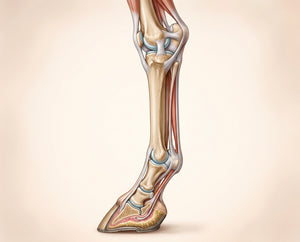
Every step relies on five parts working together. After years of running, jumping and carrying their weight, each one needs a bit more help.



Are walks getting shorter, or do they lag behind and turn for home early?
Do their back legs shake or tremble when they stand still?
Do they play less, or spend more of the day lying down?
Owners notice it in the little moments.
“My 5-year-old cross had gotten really slow and was no longer able to jump up on the bed or into the car. All she wanted to do was lie around. After 1 month, we started noticing more movement from her, and she started jumping again!!”
of customers noticed their dog moving with more ease on walks.
Independent 2026 survey of 100 Orthopup customers.
After a long walk or a big play session, are they stiff or limping later?
Building your dog’s joint support plan
Trusted by more than 10,000+ dog owners.
Your dog’s result
Their joints are asking for support.
When several of these changes show up together, moving through the day is getting harder. The good news: you’ve noticed while they still want the walk.
The early signs are starting to appear.
A few everyday changes are showing, which is usually how it begins. Daily joint support now is about protecting the walks, stairs and play they still enjoy.
Their joints are asking for help.
When several of these changes appear together, getting through the day is becoming harder. The good news: you’ve spotted it while they still want the walk.
What you’ve noticed
- Slow to get up after resting
- Pauses before the stairs
- Waits to be lifted onto the sofa or into the car
- Shorter walks
- Back legs tremble when standing
- Plays less, rests more
- Stiff or limping after busy days
Still going strong
- Gets up easily after a rest
- Takes the stairs without pausing
- Still jumps up by themselves
- Happy to do the whole walk
- Steady on their back legs
- Plays as much as ever
- No stiffness after busy days
Your dog’s plan
Orthopup Complete Joint Support Chews
What to expect
52% of owners noticed their dog was happier with more energy.
Glucosamine, chondroitin and green-lipped mussel build up to support cartilage and flexibility.
99.1% reported a positive impact on their dog’s mobility.*
*Independent 2026 survey of 100 Orthopup complete joint support customers. Results vary.
Start their plan today
Start their plan today
Start their plan today

Total value with free shipping
In stock, ships in 2-4 days
Give them [90] days. If you don’t see a difference in how they move, we’ll refund you.
Owners with dogs like yours
“[Add a real customer review here.]”
[Customer name]“[Add a real customer review here.]”
[Customer name]“[Add a review from an owner of an older dog. Shown for result bands 1 and 2.]”
[Customer name]“[Add a review about a dog that was really struggling. Shown for result band 3.]”
[Customer name]Keep them moving like this.
One chew a day, sized for your dog, while they’re still keen for every walk. Try it for [90] days, then decide.
Support them before small changes add up.
One chew a day, sized for your dog. Try it for [90] days, then decide.
Start while they still want the walk.
One chew a day, sized for your dog. Try it for [90] days, then decide.
[90]-day money-back guarantee
[Add your legal / regulatory disclaimer here.]
[Add the source for any survey figures. Results may vary.]